
In the ever-evolving world of audio technology, headphones have become an essential accessory for music lovers, gamers, and professionals alike. With the rise of remote work and digital entertainment, the demand for high-quality headphones has surged. According to recent market research, the global headphones market was valued at approximately $35 billion in 2021 and is projected to reach $60 billion by 2027, reflecting a compound annual growth rate (CAGR) of around 9%. This article delves into the various types of headphones available on the market today and their unique benefits, helping consumers make informed purchasing decisions.
Over-Ear Headphones
Over-ear headphones are known for their large ear cups that completely cover the ears, providing an immersive listening experience. These headphones are often favored by audiophiles and professionals due to their superior sound quality and noise isolation capabilities. The cushioned ear pads ensure comfort during extended use, making them ideal for long listening sessions or studio work. Additionally, many over-ear models come equipped with advanced features such as active noise cancellation, which enhances the listening experience by blocking out ambient noise.
Recent trends indicate that over-ear headphones are gaining popularity among consumers seeking premium audio experiences. A survey revealed that 45% of respondents preferred over-ear headphones for their sound quality, while 30% valued comfort as their primary concern. This shift in consumer preference highlights the importance of sound quality and comfort in the purchasing decision, making over-ear headphones a top choice for serious listeners.
On-Ear Headphones
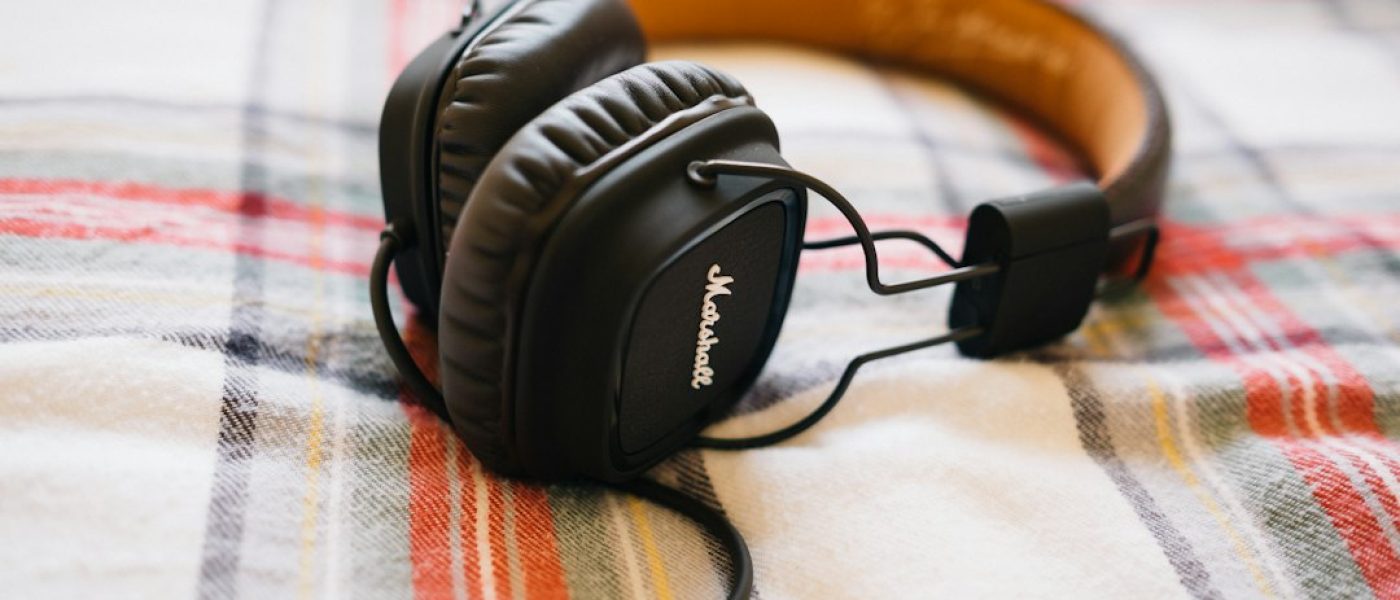
On-ear headphones, which rest on the ears rather than enclosing them, strike a balance between portability and sound quality. These headphones are typically lighter and more compact than their over-ear counterparts, making them a popular choice for commuters and travelers. On-ear models often feature adjustable headbands and foldable designs, allowing for easy storage and transport. While they may not provide the same level of noise isolation as over-ear headphones, many users appreciate the ability to remain aware of their surroundings while enjoying their music.
The versatility of on-ear headphones appeals to a wide range of consumers. Recent statistics show that 25% of headphone users prefer on-ear designs for their portability, while 20% appreciate their stylish appearance. This demographic trend suggests that on-ear headphones are particularly appealing to younger audiences who prioritize both aesthetics and functionality in their audio devices.
In-Ear Headphones
In-ear headphones, also known as earbuds, are designed to fit snugly inside the ear canal, providing a discreet and portable audio solution. These headphones are favored by active individuals and fitness enthusiasts due to their lightweight design and secure fit. Many in-ear models come with various ear tip sizes to ensure a comfortable and personalized fit, which is crucial for effective noise isolation and sound quality. Additionally, advancements in wireless technology have led to the rise of true wireless earbuds, which offer complete freedom of movement without the hassle of tangled wires.
The growing popularity of in-ear headphones is reflected in market trends, with sales of true wireless earbuds increasing by 40% in the past year alone. This surge can be attributed to their convenience and the increasing demand for hands-free audio solutions. Key Insight: As consumers continue to prioritize portability and functionality, in-ear headphones are likely to dominate the market in the coming years, appealing to those seeking a seamless audio experience.
Noise-Canceling Headphones
Noise-canceling headphones have revolutionized the way users experience audio by actively reducing unwanted ambient sounds. These headphones utilize advanced technology to detect external noise and generate sound waves that counteract it, providing a serene listening environment. This feature is particularly beneficial for frequent travelers, office workers, and anyone seeking to enhance their focus in noisy environments. Many noise-canceling models also offer adjustable settings, allowing users to customize their listening experience based on their surroundings.
The demand for noise-canceling headphones has seen a significant increase, with a reported 50% growth in sales over the last two years. This trend underscores the importance of sound quality and user experience in the headphone market. As more consumers recognize the benefits of noise cancellation, manufacturers are likely to invest in further innovations to enhance this feature, solidifying its place as a must-have in modern headphones.
Conclusion
As the headphone market continues to expand, consumers are presented with a diverse array of options tailored to their specific needs and preferences. From over-ear models that deliver exceptional sound quality to portable in-ear designs that cater to active lifestyles, there is a headphone type for everyone. Understanding the unique benefits of each type can empower consumers to make informed choices that enhance their audio experiences. With the market projected to grow significantly in the coming years, the future of headphones looks promising, driven by innovation and evolving consumer demands.
Ultimately, the right pair of headphones can transform the way we listen to music, engage in virtual meetings, or immerse ourselves in gaming worlds. As technology advances and new features emerge, staying informed about the latest trends and options will ensure that consumers can find the perfect headphones to suit their lifestyle and preferences.